

Clark helps clarify what matters before decisions are made.
HOW I WORK
Clark helps organizations see the assumptions shaping their strategies and decisions — so they can orient with clarity rather than urgency, without being driven by the very dynamics they seek to change.
His work begins with listening — to people, to place, to history, and to what is often left unsaid.
Clark’s approach is rooted in design — not as decoration or problem-solving, but as a way of making meaning visible. Through visual storytelling, creative process, and the knowledge carried in land and story, he helps organizations surface what conventional analysis leaves unseen.
Rather than offering fixed solutions, Clark creates the conditions for better decisions, deeper alignment, and more meaningful outcomes. Clark works with clients to:
Clarify context, purpose, and shared values so work is grounded and intentional
Make complexity visible — revealing assumptions, systems, and points of tension
Surface risks and misalignments early — before they become embedded in planning and design
Develop shared language through story, images, and iterative process
Anchor decisions in responsibility, care, and place
MAKAWALU
Makawalu — literally “eight eyes” — is a Kanaka Maoli discipline of seeing in every direction at once. Clark brings it to every engagement as a living framework, grounded in over thirty years of practice.
BEGIN THE CONVERSATION
Clark welcomes conversations with leaders and institutions ready to see differently and act with greater purpose.



PILI PACIFIC
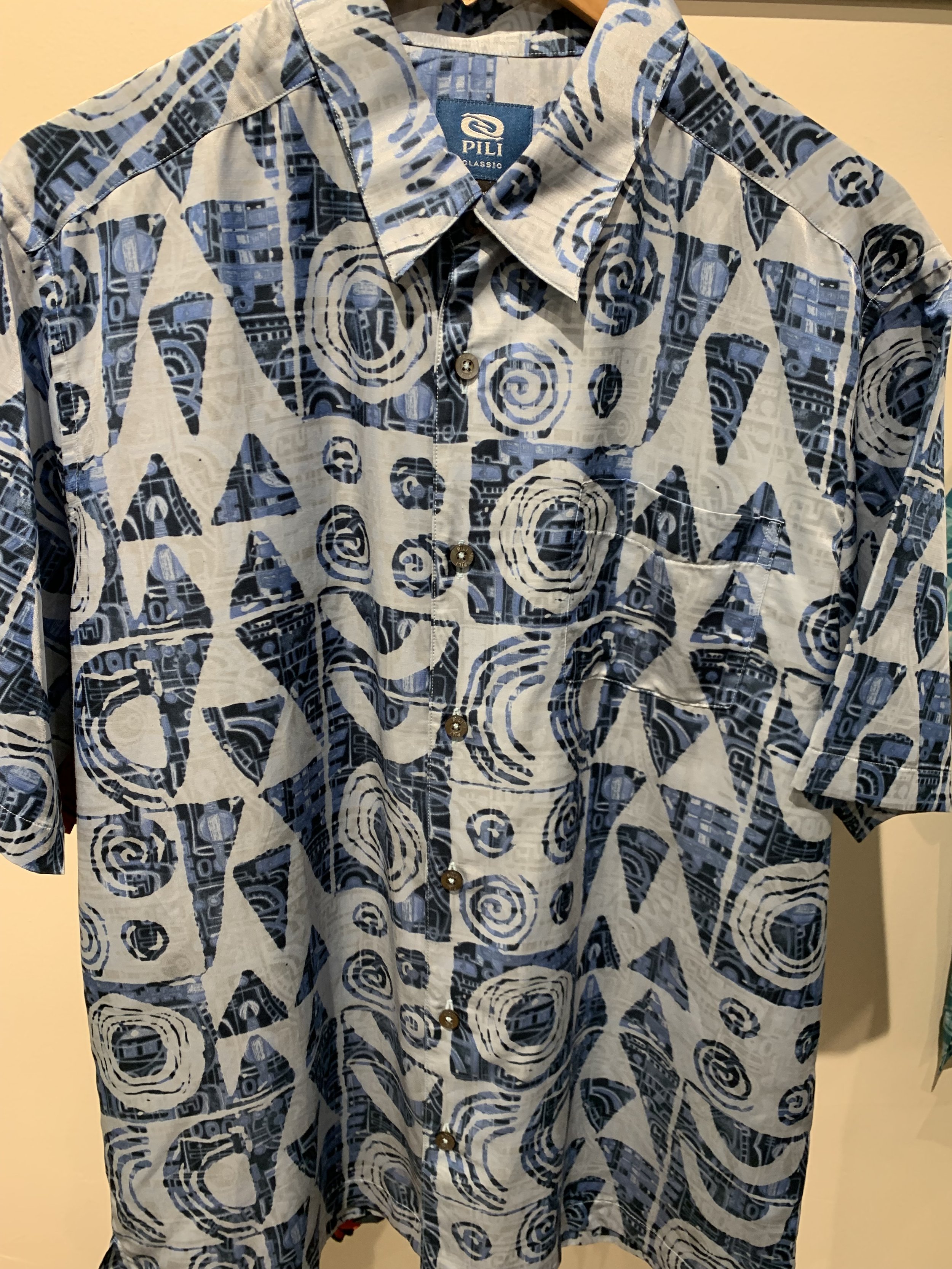
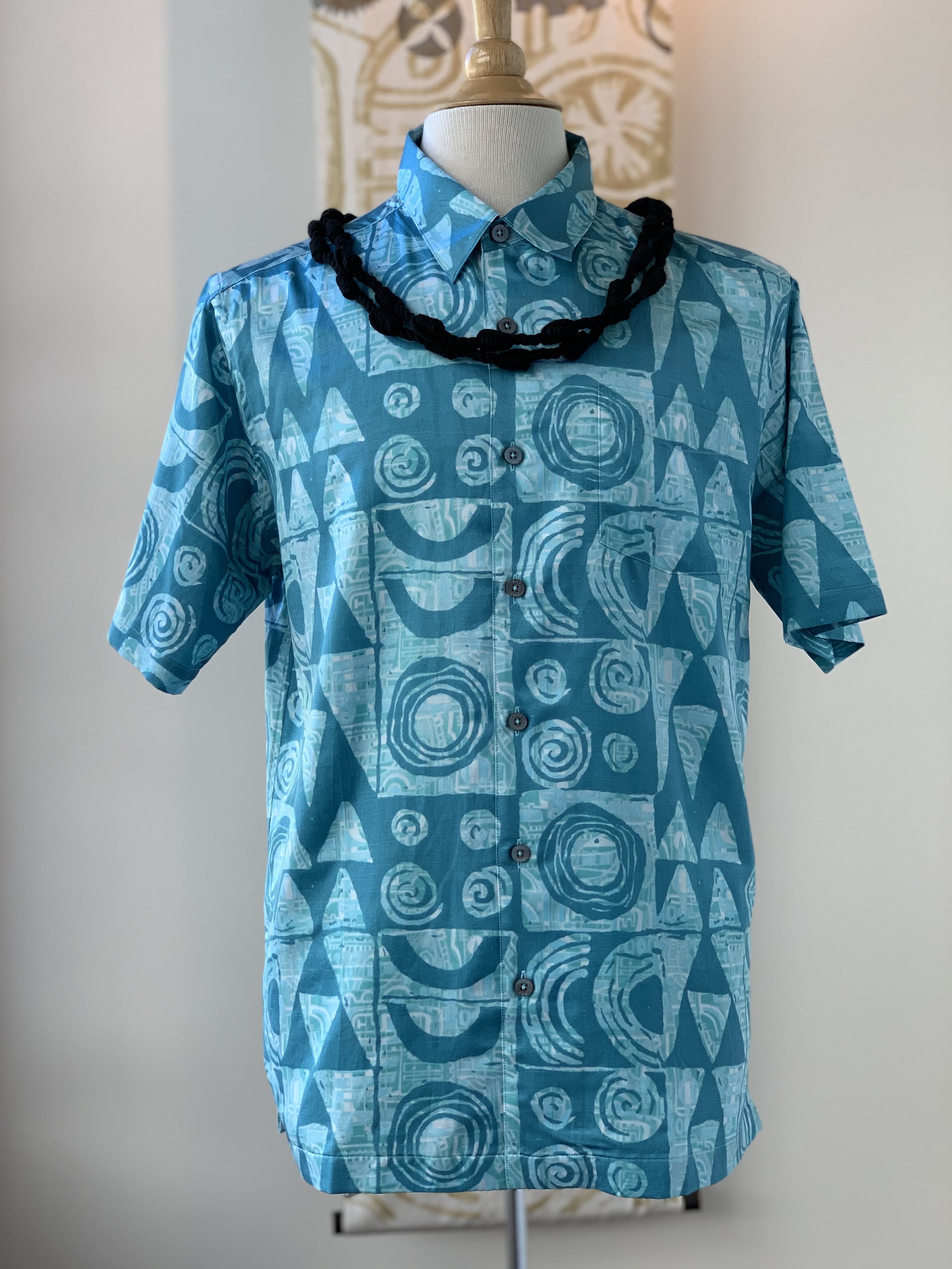
Pili Pacific was co-founded by Herman Pi’ikea Clark as a cultural design platform developed in close collaboration with Norfolk Island artist Sue Pearson. The practice engaged questions of leadership, identity, and responsibility in Hawaiʻi, the Pacific, and beyond.
Through textile design and visual storytelling, Pili Pacific explored how cultural knowledge could remain active and present in contemporary decision-making — not as abstract symbol or branding, but as visual language in service of clarity, accountability, and cultural continuity.
This work continues to inform how Clark approaches consulting and creative strategy today.
IMUA ONE
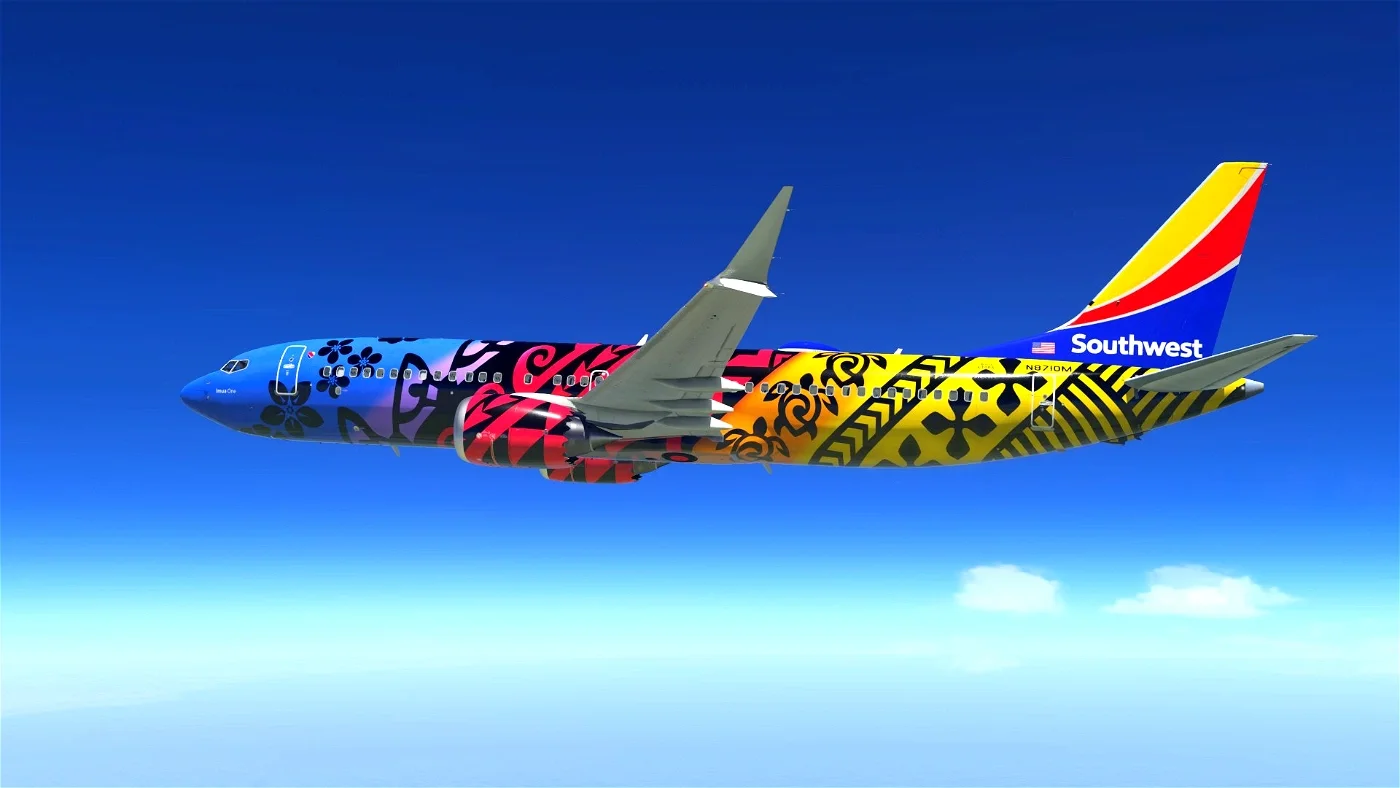
When Southwest Airlines needed cultural grounding for their Hawaiʻi-inspired Boeing 737-800 livery, Clark served as cultural advisor to the design team, ensuring the aircraft’s visual identity reflected the values, relationships, and sense of place unique to Hawaiʻi. This is Makawalu in practice: not decoration, but cultural accountability made visible at scale.
Client
Southwest Airlines / Osaki Creative
Year
2024